Sam Simon · 10 October 2026
Quantum Prototypes Spark Fresh Environmental Reviews for Beacon Placements in Shifting Urban Zones
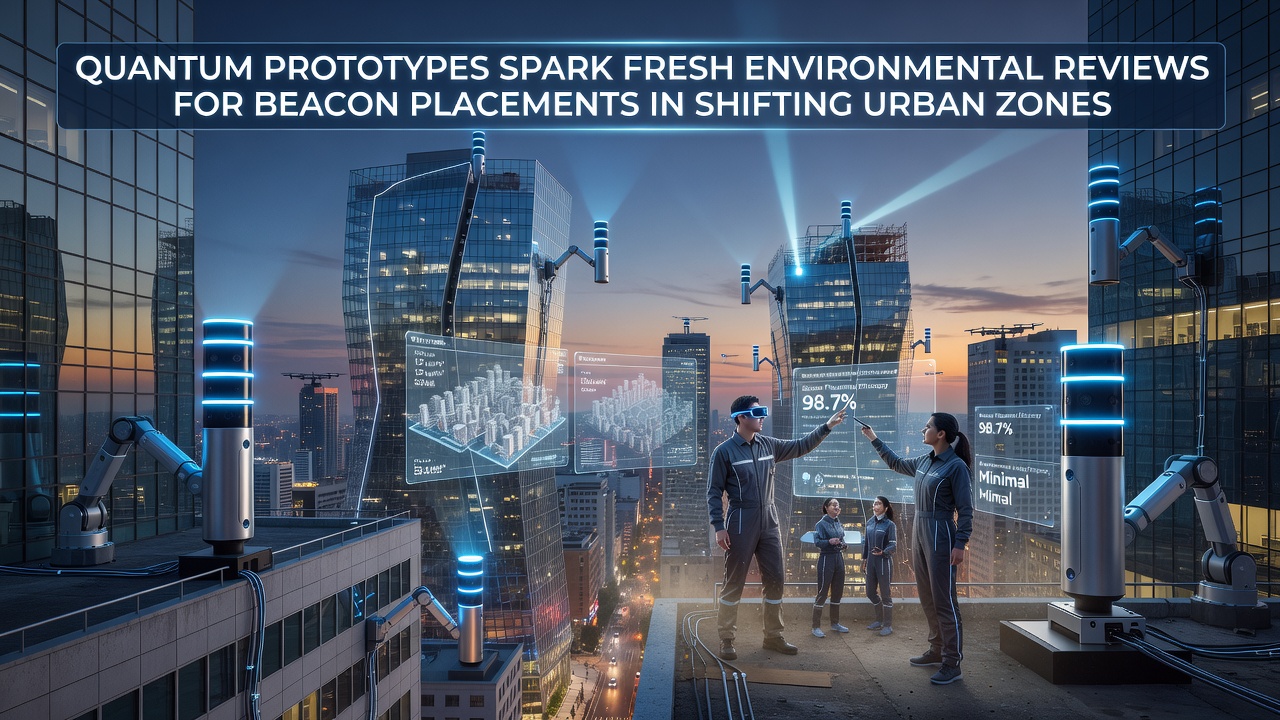
Quantum prototypes have begun influencing environmental assessment procedures for beacon installations across evolving city landscapes, where shifting population densities and infrastructure demands create new placement challenges. Researchers at several institutions have documented how these advanced devices, which rely on quantum sensing for precise signal calibration, require updated review protocols that account for electromagnetic field interactions with local ecosystems. Data from ongoing urban monitoring programs shows that traditional siting methods fall short when quantum elements enter the equation, prompting regulatory bodies to revisit guidelines that date back several decades.
Background on Beacon Networks and Urban Changes
Beacon systems serve critical roles in navigation, emergency signaling, and data relay throughout metropolitan areas, yet rapid urban redevelopment has altered ground conditions in ways that affect signal propagation and environmental compatibility. Observers note that cities experiencing population influxes since the early 2020s now face overlapping demands on spectrum resources and physical space, which in turn triggers more rigorous environmental evaluations. As of October 2026, multiple municipalities have reported delays in beacon deployment projects while teams complete fresh impact studies that incorporate quantum prototype specifications.
Environmental reviews traditionally focus on factors such as wildlife disruption, soil stability, and energy consumption, but quantum prototypes introduce additional variables including cryogenic cooling requirements and specialized shielding materials. Studies conducted by independent laboratories reveal measurable differences in thermal output and magnetic field patterns compared with conventional beacon hardware, leading authorities to adjust assessment criteria accordingly.
Role of Quantum Prototypes in Current Reviews
Quantum prototypes operate by leveraging superposition and entanglement principles to achieve higher accuracy in positioning and timing functions, which proves useful in dense urban corridors where interference from buildings and vehicles remains common. Those who have examined prototype deployments in test zones report that these systems demand careful integration with existing environmental safeguards because their operational parameters can influence nearby electronic ecosystems. Figures from field trials indicate reduced error rates in beacon signals, yet they also highlight the need for revised buffer zones around sensitive habitats or water sources.
Regulatory agencies in North America and Europe have started incorporating quantum-specific metrics into their evaluation frameworks, drawing on reports from organizations like the U.S. Department of Energy and the European Environment Agency. One study revealed that prototype installations in mixed-use districts required additional electromagnetic compatibility testing to prevent unintended effects on migratory bird navigation systems, a consideration that older guidelines did not address directly.
Adjustments in Shifting Urban Zones
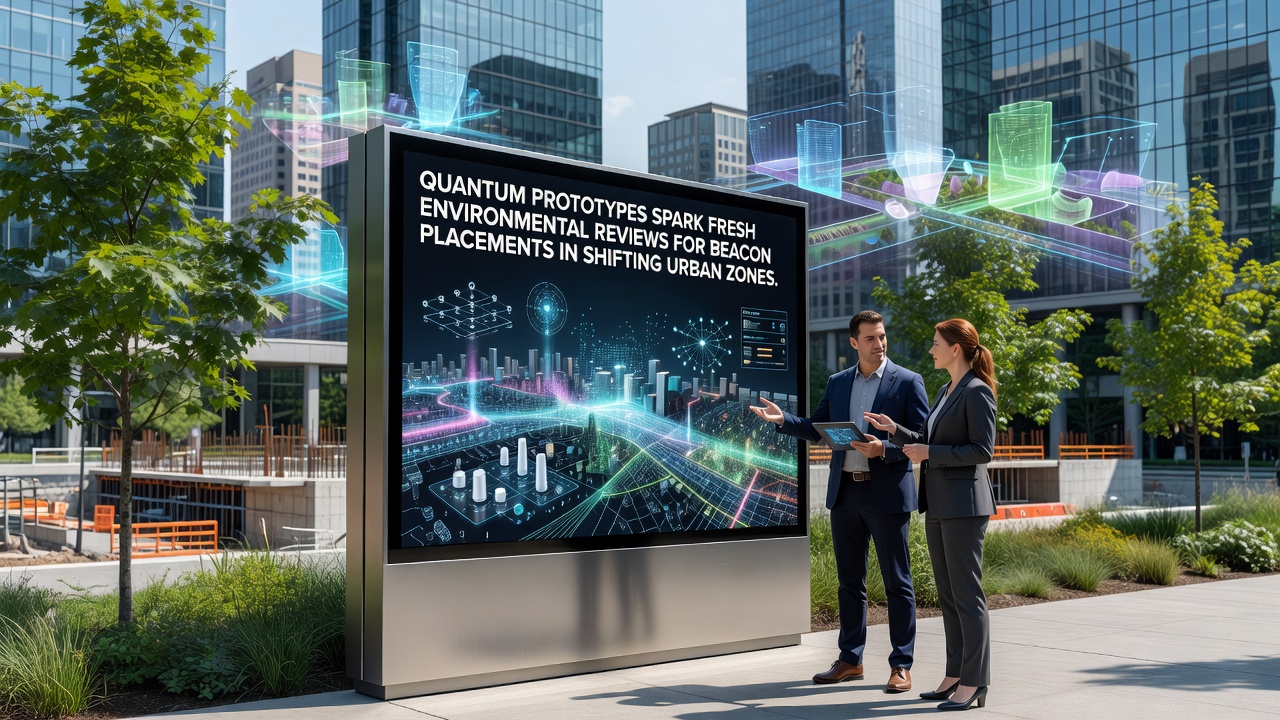
Urban zones undergoing transformation through rezoning, green infrastructure projects, and climate adaptation measures present dynamic conditions that affect beacon placement decisions. Experts have observed that areas once deemed suitable for standard beacons now trigger extended review periods when quantum prototypes are proposed, because the interaction between prototype components and changing soil compositions or vegetation patterns requires fresh modeling. Research indicates that cities in coastal transition zones face particular scrutiny, since rising water tables can alter grounding effectiveness for the sensitive quantum elements.
Case examples from several mid-sized municipalities demonstrate how planning departments now coordinate with quantum research teams early in the project cycle. This approach allows environmental consultants to simulate field conditions using updated software tools before physical installation begins, reducing the likelihood of later modifications. Data compiled by academic groups shows that proactive integration of these simulations has shortened overall review timelines in select locations, even as the scope of assessments has expanded.
Regulatory and Technical Developments
Government agencies continue to refine their approaches by consulting with industry consortia and research institutions that specialize in quantum technologies. A report published through the Australian Department of Climate Change, Energy, the Environment and Water outlines recommended practices for evaluating energy draw and material sourcing when quantum prototypes support beacon functions. Similar efforts in Canadian provinces have produced guidelines that emphasize lifecycle analysis, covering everything from component manufacturing to end-of-life recycling.
Technical teams working on these projects often employ hybrid assessment methods that combine traditional field surveys with quantum sensor data collection, yielding more detailed environmental profiles. Observers note that this layered methodology helps identify subtle impacts that might otherwise go undetected until after deployment, thereby supporting more accurate placement decisions in zones experiencing rapid demographic or structural shifts.
Conclusion
Quantum prototypes continue to reshape the environmental review landscape for beacon placements, particularly in urban areas where conditions evolve quickly. Updated protocols reflect the unique operational characteristics of these systems while maintaining focus on established ecological protections. Ongoing collaboration between regulatory bodies, research entities, and municipal planners supports the development of placement strategies that align technical performance with environmental requirements across diverse geographic contexts.