Erik Keller · 7 November 2026
Drone Beacon Shortfalls Trigger Fresh Reliability Tests Across European Waterways
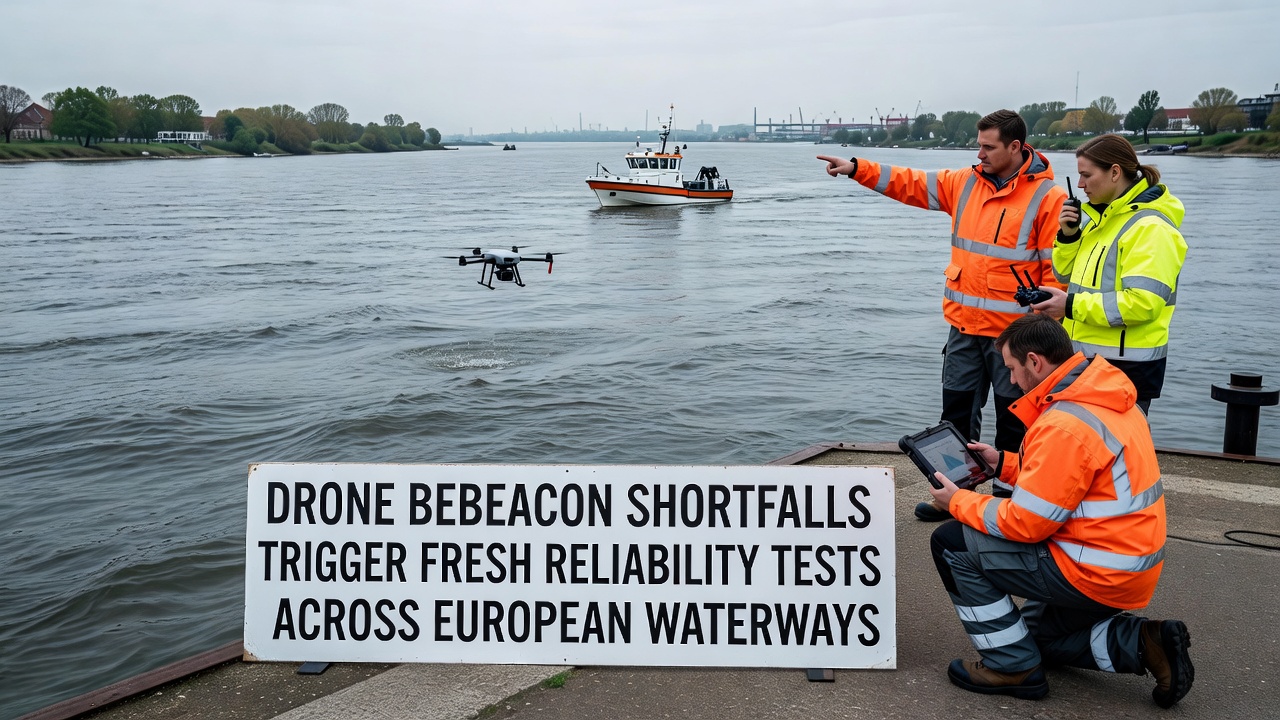
Drone beacon shortfalls have prompted authorities to launch new reliability tests across European waterways as operators work to maintain safe navigation standards for unmanned aerial systems, and these evaluations focus on signal consistency along rivers, canals, and coastal routes where drone traffic continues to grow. Data from monitoring stations shows intermittent coverage gaps in several key corridors, which has led transport agencies to schedule expanded field trials beginning in November 2026.
Background on Beacon Deployment for Drone Operations
European transport networks rely on fixed beacons to provide positioning references for drones engaged in delivery, inspection, and survey missions, while these devices transmit location data that integrates with onboard flight management systems. Observers note that initial installations concentrated on major commercial hubs, yet coverage along secondary waterways remained uneven because planners prioritized high-traffic zones first. Research indicates that signal attenuation from weather patterns and terrain features has reduced effective range in certain locations, prompting agencies to review placement criteria once more.
Shortfalls Identified in Recent Monitoring
Performance logs collected over the past eighteen months reveal that some beacons failed to maintain required signal strength during periods of heavy precipitation or electromagnetic interference from nearby vessels, and these inconsistencies have affected drone routing accuracy in stretches of the Rhine, Danube, and associated tributaries. Figures released by waterway management bodies show a measurable increase in positioning deviations reported by operators, which in turn has triggered mandatory reporting protocols for all commercial drone flights exceeding five kilometers. Experts have mapped these events to specific beacon clusters where hardware aging and firmware mismatches appear to compound the issue.
Scope of the New Reliability Tests
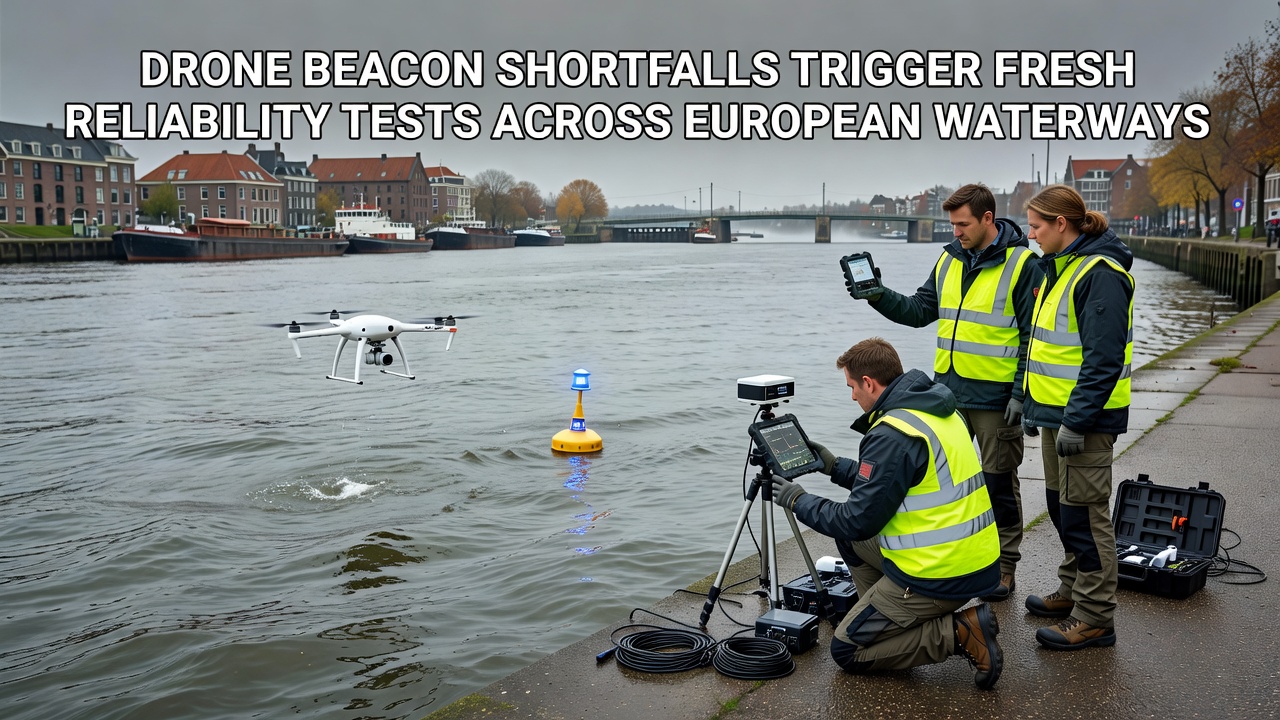
Starting in November 2026, coordinated trials will run across ten priority waterways spanning five member states, and each site will undergo twenty-four-hour monitoring cycles that combine ground-based receivers with drone-mounted sensors to capture real-time performance metrics. The European Union Aviation Safety Agency has outlined test parameters that include signal latency, failover response times, and resilience against simulated interference, while parallel efforts by national maritime authorities will assess integration with existing vessel traffic services. EASA guidelines specify minimum thresholds that every beacon must meet before returning to operational status.
Engineers plan to deploy temporary mobile beacons at selected intervals to compare performance against fixed installations, and this side-by-side approach allows direct measurement of coverage continuity under varying load conditions. Data collected during the trials will feed into updated siting models that account for seasonal waterway traffic fluctuations and evolving drone fleet compositions.
Regional Coordination and Data Sharing
Transport ministries have established a shared data platform to aggregate test results from all participating countries, which enables rapid identification of common failure modes and supports development of standardized maintenance schedules. Australia's Maritime Safety Authority has contributed technical notes on similar beacon networks used for coastal drone patrols, and these documents provide comparative benchmarks for European teams evaluating hardware durability in saltwater environments. Canadian regulators have also shared findings from northern waterway deployments where temperature extremes affect battery backup systems, offering additional context for cold-weather performance expectations.
Industry groups representing drone manufacturers participate in working sessions to align beacon specifications with upcoming airframe designs, and this collaboration aims to reduce future compatibility issues that could arise from rapid technology turnover. Test protocols include provisions for third-party audits to maintain transparency across all involved agencies.
Expected Outcomes and Next Steps
Results from the November 2026 trials will inform revisions to beacon certification standards, and authorities anticipate releasing updated placement guidelines within six months of test completion. Agencies will also examine whether supplemental satellite augmentation services can offset coverage gaps in remote sections of the waterway network. Ongoing monitoring continues at existing sites to track any seasonal variations that might influence long-term reliability projections.
Conclusion
European waterway authorities continue to refine drone navigation infrastructure through systematic testing programs that address identified shortfalls, and these efforts integrate data from multiple jurisdictions to produce consistent safety outcomes. The November 2026 reliability trials represent the latest phase in an iterative process that adapts beacon networks to growing operational demands while maintaining alignment with international technical references.